Why Waterproof Products Matter in Outdoor Camping
When you're deep in the wilderness, miles from the local shelter, the weather does not appreciate your plans. A sunny early morning can become a torrential downpour by mid-day, and when that occurs, the difference in between a miserable, potentially unsafe experience and a comfortable adventure often boils down to something: whether your gear is water-proof.
Water-proof materials are not a deluxe in camping-- they are a necessity. Recognizing why they matter can transform the means you pack, intend, and make it through in the outdoors.
Protection Against the Uncertain Outdoors
Nature is gloriously unforeseeable. Even one of the most carefully prepared outdoor camping journeys can be blindsided by unexpected rain, morning dew, stream crossings, or unexpected temperature level goes down that turn moisture right into an actual threat. Water resistant products function as your initial line of protection versus all of it.
A waterproof tent, for instance, keeps your sleeping space completely dry and comfortable when rainfall hammers down with the night. Without it, water seeps via the fabric, soaks your sleeping bag, and leaves you chilly, wet, and totally incapable to rest. A damp camper is an exhausted camper, and fatigue in the wild lugs genuine risks.
Waterproof jackets and trousers offer a similar function for your body. When your garments obtains saturated, it sheds its capacity to shield you. Also in reasonably trendy temperature levels, damp clothes can quickly decrease your core body temperature, leading to hypothermia-- a problem that can turn significant faster than many people expect.
The Scientific Research Behind Waterproof Fabrics
Not all water-proof products are developed equal, and understanding the essentials helps you make smarter gear choices.
Waterproof vs. Water resistant
Water-resistant materials reduce water penetration but will eventually soak through under continual rainfall or stress. Water resistant products, on the other hand, are engineered to block water entirely. The distinction matters immensely when you're caught in a three-hour rainstorm versus a light drizzle.
Breathability and Why It Issues
One common false impression is that waterproof means stuffy and unpleasant. Modern waterproof fabrics like Gore-Tex and similar membranes are created to be breathable, enabling sweat vapor to leave while blocking exterior moisture from getting in. This balance is vital throughout energetic camping tasks like treking and climbing, where your body produces considerable warm and sweating. Without breathability, you would certainly stay dry from the rainfall yet soak on your own from the inside with entraped sweat.
Secret Equipment That Counts On Waterproof Materials
Tents and Tarps
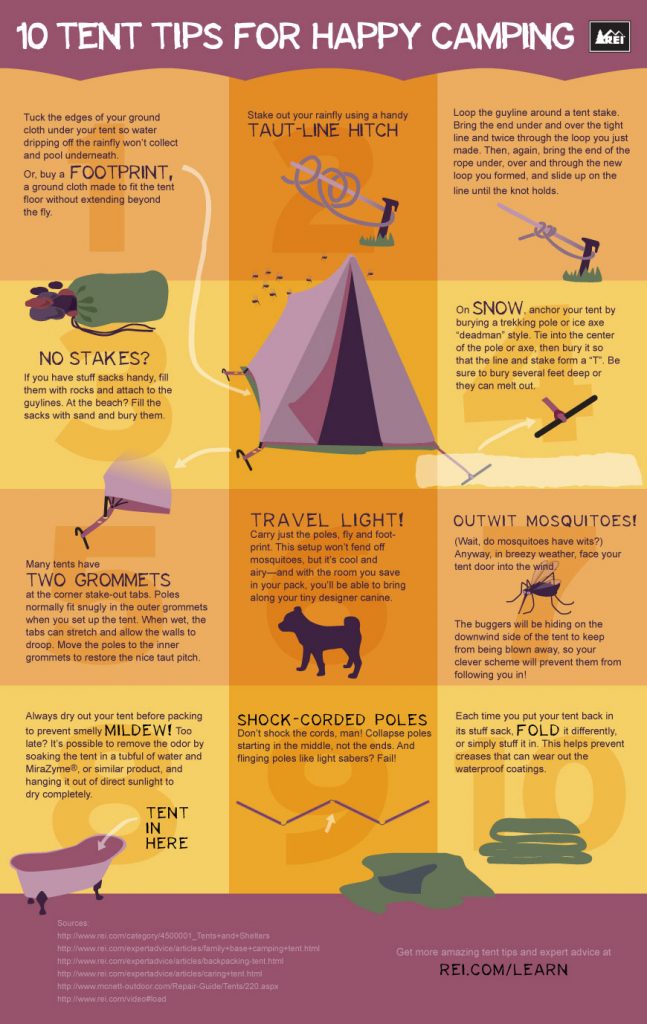
Your outdoor tents is your home in the wild. A high quality water-proof outdoor tents utilizes covered materials and sealed joints to prevent any kind of water from getting in, even under hefty rainfall. Tarps made from water resistant products include an extra layer of adaptability, functioning as extra sanctuary, ground covers, or rain covers over cooking areas.
Sleeping Bags and Insulation
A damp resting bag is among the most unsafe scenarios a camper can encounter. Down insulation, while incredibly warm and lightweight, loses almost all of its thermal properties when damp. Water-proof stuff sacks and completely dry bags safeguard your resting bag from rainfall and unexpected water exposure, maintaining its life-saving heat throughout your journey.
Backpacks and Dry Bags
Water-proof backpack covers and dry bags keep your essentials-- food, navigating devices, emergency treatment packages, and electronic devices-- shielded even throughout heavy rainfall or river crossings. Shedding a map or a phone to water damages in a remote area is even more than an inconvenience; it can be genuinely dangerous.
Shoes
Waterproof boots keep your feet completely dry throughout stream crossings, fresh early morning walkings, and muddy path conditions. Wet feet sore rapidly and are at risk to trench foot during expanded trips. Waterproof membranes in high quality hiking boots make a dramatic distinction in both comfort and foot health and wellness over multi-day expeditions.
Long-Term Value and Equipment Long Life
Beyond instant safety and security and comfort, water resistant products expand the life-span of your gear. Wetness is just one of the greatest enemies of outdoor camping equipment, promoting mold, mold, corrosion, and textile deterioration. Buying appropriately waterproofed equipment from the beginning implies you spend less changing broken tools in time.
Several waterproof products likewise take advantage of routine re-treatment with sturdy water repellent (DWR) sprays, which revitalize their efficiency after duplicated usage and washing.
Final Thoughts
Camping links us to the raw, unfiltered globe-- and that world includes rain, rivers, dew, and whatever damp that features it. Waterproof materials do not shield you from the experience what is a bell tent of nature; they make it possible to delight in that experience safely and conveniently.
Whether you're a weekend warrior or an experienced backcountry explorer, selecting gear built with high quality water resistant materials is among the most intelligent financial investments you can make prior to your next trip right into the wild. Because available, staying completely dry isn't just about convenience-- it's about staying safe.Sonnet 4.6